What Should You Do if Wastewater Backs Up Into a Basement?
Wastewater in your basement is a health hazard and a sign something has failed in your system. Here’s what to do, what not to do, and when to call for…



Cesspool systems are designed to handle household wastewater efficiently for many years, but like any underground infrastructure, they do not last forever.
Knowing how long cesspools last and what factors influence their performance allows property owners to anticipate maintenance needs and plan for the eventual cesspool replacement timeline.
Prevention is the best maintenance strategy you could put in place.
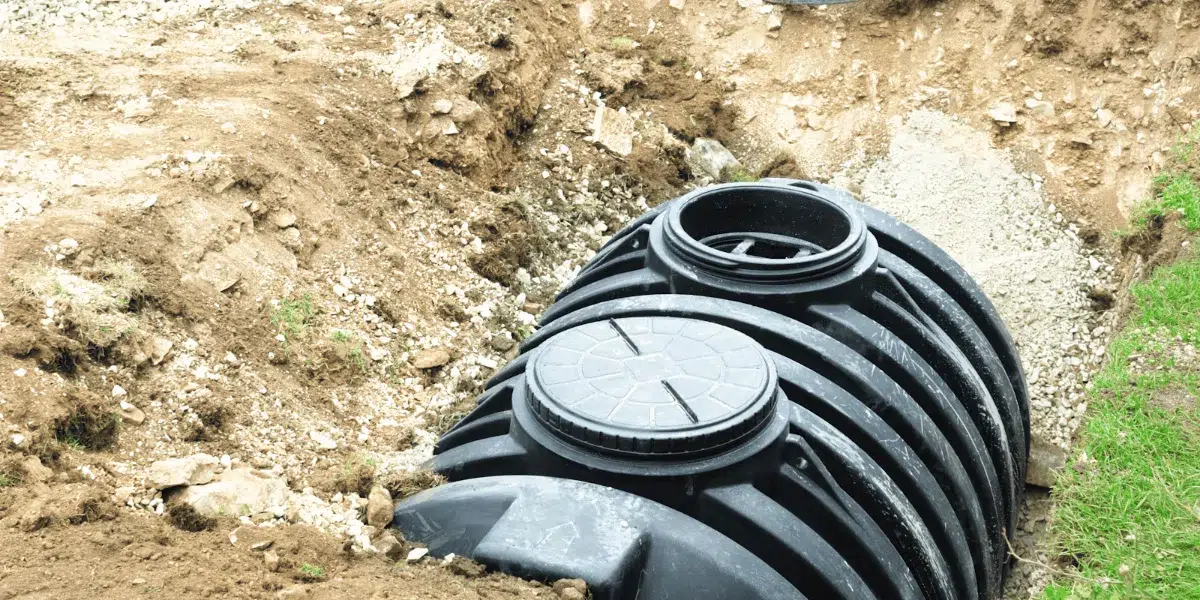
A cesspool functions by collecting wastewater and allowing it to gradually seep into the surrounding soil. While the design is relatively simple compared to modern septic systems, its longevity depends heavily on environmental conditions and household usage.
Several factors influence how long a cesspool lasts, including soil conditions and system size. Several key factors determine how long cesspools last, including:
Something good to have in mind is that proper care does not eliminate the need for eventual replacement, but it can significantly extend the usable life of a cesspool and delay major repairs.
Regular inspections and pumping play a significant role in preserving system function and delaying replacement.
The life cycle of a cesspool begins with installation. When properly installed, a cesspool is positioned to allow wastewater to disperse gradually into the surrounding soil. During the early years of operation, the system typically functions efficiently with minimal maintenance concerns (as it should).
At this first stage, the cesspool’s walls and surrounding soil remain highly permeable. Wastewater flows easily into the ground, and solids remain contained within the system. Because the soil has not yet experienced heavy buildup, absorption occurs efficiently.
During the early life of a cesspool, homeowners should focus on establishing healthy maintenance habits that protect long-term performance.
As a cesspool ages, gradual buildup of organic material and residue occurs within the system (this is normal). While this process is normal, it can slowly reduce the soil’s ability to absorb wastewater.
At this stage, proper maintenance becomes critical. Pumping the cesspool periodically removes accumulated solids and prevents them from migrating into the surrounding soil. If maintenance is neglected, solids can clog the soil pores and reduce drainage capacity.
Mid-life cesspool systems often function reliably when homeowners maintain:
These practices help extend system life and maintain proper drainage.
Eventually, most cesspools begin showing signs of reduced efficiency. As years pass, organic buildup around the pit can create a biological layer that slows wastewater absorption.
Common indicators of an aging cesspool may include:
These symptoms suggest the system is approaching the later stages of its cesspool lifespan.
When a cesspool reaches the end of its usable life, the surrounding soil becomes too saturated or clogged to absorb wastewater effectively. At this point, pumping alone may no longer resolve drainage problems.
Signs that a cesspool may require replacement include:
At this stage, maintenance is no longer an option; planning for replacement becomes necessary to restore proper wastewater management.
While individual systems vary, most cesspools follow a predictable life cycle based on usage and environmental conditions.
| Life Stage | Approximate Timeline | Key Characteristics |
| Early Operation | 0–10 years | Efficient drainage and minimal maintenance issues |
| Mid-Life Performance | 10–20 years | Requires consistent pumping and monitoring |
| Aging System | 20–30 years | Drainage efficiency declines |
| End of Life | 30+ years | Replacement typically required |
This timeline illustrates why proactive maintenance is essential throughout the system’s lifespan.
Although no cesspool lasts forever, consistent care can significantly delay replacement. Preventive maintenance protects the surrounding soil and reduces excessive solid buildup.
Effective maintenance practices include:
These habits support system efficiency and protect the surrounding environment.
Waiting until a cesspool fails completely can create emergency situations that disrupt household operations. Planning ahead allows homeowners to evaluate replacement options and schedule work before major problems occur.
Understanding the cesspool replacement timeline gives property owners the opportunity to plan financially and logistically rather than reacting to unexpected failures.
At Rescue Cesspool & Sewer, we help Long Island homeowners evaluate the condition of their cesspool systems and plan for long-term performance. Our team provides inspections, pumping services, and replacement guidance designed to identify issues early and prevent unexpected system failures. By understanding the stage of your cesspool’s life cycle, we help you make informed decisions that protect your property and wastewater system.